Make An Appointment
 970-262-9274
What Causes an Irregular Period? Common Reasons Explained
Your menstrual cycle does not always happen on exactly the same day every month. If you are wondering what causes an irregular period, there are several possible reasons, including stress, hormonal changes, pregnancy, weight changes, and certain health conditions. An occasional change in your cycle can happen, but repeated irregular periods may be worth discussing with a healthcare provider.
When Should You Talk to a Healthcare Provider About an Irregular Period?
A menstrual cycle is counted from the first day of one period to the first day of the next. Cycle length can naturally vary from person to person and can also change over time.
Your period may be considered irregular when your cycles frequently vary in length, you regularly skip periods, or your bleeding pattern changes significantly from what is normal for you.
An irregular period does not always mean that something is wrong. However, if changes continue or happen frequently, it is worth paying attention to them.
What Causes an Irregular Period?
There are many possible reasons for an irregular menstrual cycle. Some are temporary, while others may require medical attention.
1. Pregnancy
Pregnancy is another possible answer to the question, “What causes an irregular period?” A missed period can be one of the earliest signs of pregnancy.
However, a late period does not always mean that you are pregnant. Other factors can also affect your menstrual cycle.
If your period is late, you may also want to learn about early pregnancy symptoms.
2. Stress
If you are wondering what causes an irregular period, stress is one common factor to consider. Significant or ongoing stress may cause your period to come later than expected or, in some cases, cause you to miss a period.
Changes in sleep, eating habits, work, school, relationships, or other stressful situations may contribute to changes in your cycle.
3. Weight Changes
Significant weight loss or weight gain can affect hormone levels and may change your menstrual cycle.
Very low body weight can sometimes interfere with ovulation, while significant weight gain can also affect hormone balance.
4. Hormonal Birth Control
Birth control methods that contain hormones can change your menstrual bleeding pattern.
Some people may experience lighter periods, spotting, shorter periods, or no periods while using certain types of hormonal birth control. Changes can also occur after starting or stopping birth control.
5. Polycystic Ovary Syndrome (PCOS)
Polycystic ovary syndrome, commonly called PCOS, is a hormonal condition that can affect ovulation and menstrual cycles.
People with PCOS may experience irregular or missed periods, acne, increased facial or body hair, or other symptoms.
If you frequently have irregular periods, a healthcare provider can help determine whether PCOS or another hormonal condition could be contributing.
6. Thyroid Problems
The thyroid produces hormones that affect many functions in the body, including metabolism and reproductive health.
Both an underactive thyroid and an overactive thyroid can sometimes affect menstrual cycles.
7. Breastfeeding
Breastfeeding can affect the hormones responsible for ovulation and menstruation. Some people may have irregular periods or no periods for a period of time while breastfeeding.
The timing of the return of menstruation can vary from person to person.
8. Intense Exercise
Very intense physical activity, especially when combined with inadequate nutrition or significant weight loss, can affect hormone levels and ovulation.
This may lead to irregular or missed periods.
9. Perimenopause
As a person approaches menopause, hormone levels can change and menstrual cycles may become less predictable.
This transition, called perimenopause, can cause periods to become shorter, longer, heavier, lighter, or occasionally skipped.
10. Certain Medications or Health Conditions
Some medications and medical conditions can affect menstrual cycles. Because there are many possible causes of irregular periods, persistent changes should be discussed with a healthcare provider.
Can Pregnancy Cause a Irregular or Missed Period?
Yes. A missed period can be an early sign of pregnancy.
If you are sexually active and your period is later than expected, consider taking a pregnancy test. Other early pregnancy symptoms can include breast tenderness, fatigue, nausea, increased urination, or changes in appetite.
However, not everyone experiences the same symptoms, and many of these symptoms can also occur for reasons unrelated to pregnancy.
The only way to know whether pregnancy is causing a missed period is to take a pregnancy test.
When Should You Take a Pregnancy Test?
If your period is late and pregnancy is possible, a pregnancy test can help you find out whether you may be pregnant.
Following the test instructions carefully is important. If you receive a negative result but your period still does not come, you may want to repeat the test or talk with a healthcare provider.
If you are unsure about your pregnancy status or what your next step should be, you can also seek confidential support and information.
Learn more about when to take a pregnancy test and what your results may mean.
When Should You Talk to a Healthcare Provider About Irregular Periods?
Occasional changes in your menstrual cycle can happen. However, you should consider talking with a healthcare provider if your periods are repeatedly irregular or if you notice significant changes.
You may also want to seek medical advice if you experience:
- Very heavy menstrual bleeding
- Severe or unusual pelvic pain
- Bleeding between periods
- Bleeding after sex
- Repeatedly missed periods
- A major change in your normal menstrual pattern
- Other symptoms that concern you
A healthcare provider can help determine the possible cause and recommend appropriate testing or treatment.
Frequently Asked Questions
Why is my period suddenly irregular?
Stress, changes in weight, hormonal birth control, pregnancy, illness, changes in exercise, and hormonal conditions can all affect your menstrual cycle. If the change continues, talk with a healthcare provider.
Can stress make your period late or irregular?
Yes. Significant or ongoing stress can affect the hormones involved in ovulation and may cause a period to come later than expected or be missed.
Can pregnancy cause an irregular period?
Pregnancy can cause a missed period. If pregnancy is possible and your period is late, taking a pregnancy test can help determine whether pregnancy may be the reason.
Is it normal to have an irregular period sometimes?
An occasional change in your cycle can happen. However, frequent or persistent irregular periods should be discussed with a healthcare provider.
What should I do if I missed my period?
If pregnancy is possible, consider taking a pregnancy test. If the test is negative but your period continues to be absent or your cycles remain irregular, consider speaking with a healthcare provider.
You Don’t Have to Navigate an Unexpected Pregnancy Alone
If your period is late and you are worried that you may be pregnant, you may have many questions about what to do next.
You don’t have to figure everything out by yourself. Learning about your situation and understanding your options can help you make an informed decision.
If you are looking for pregnancy information, support, or resources, reach out to learn more about the help available to you.

Recent Stories

What Causes an Irregular Period? Common Reasons Explained
Read Article
Pregnancy Help in Colorado: Free, Confidential Support Near You
Read Article
PMS vs Pregnancy Symptoms: How to Tell the Difference
Read Article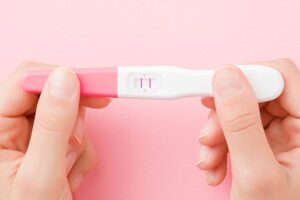
Early Pregnancy Symptoms: What’s Normal in the First Few Weeks
Read Article