Make An Appointment
 970-262-9274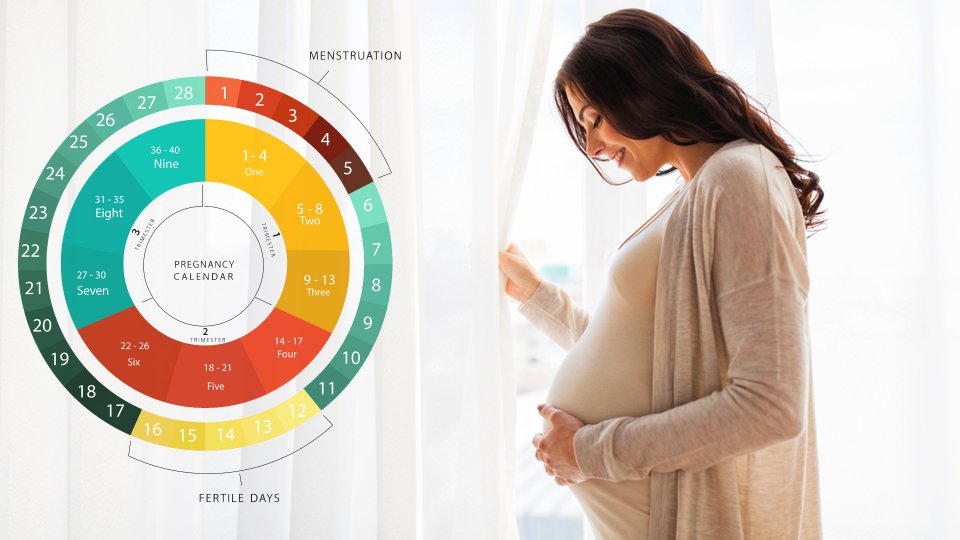
How Far Along Am I? Understanding Pregnancy Weeks
Understanding pregnancy weeks can help you know how far along you are, understand important milestones, and estimate your due date. If you recently found out you are pregnant, you may have questions about how pregnancy is dated and why your healthcare provider may say you are further along than you expected.
Pregnancy dating can sometimes seem confusing because pregnancy is generally counted from the first day of your last menstrual period—not from the day conception occurred. Let’s take a closer look at how pregnancy weeks are calculated and what you can do if you are not sure how far along you are.
How Are Pregnancy Weeks Calculated?
Pregnancy is typically measured in weeks, rather than months.
Healthcare providers generally calculate pregnancy from the first day of your last menstrual period (LMP). This means that the first day of your last period is considered the beginning of your pregnancy dating, even though conception usually occurs later.
A full-term pregnancy is commonly estimated at about 40 weeks from the first day of the last menstrual period.
For example, if the first day of your last menstrual period was January 1, you would be considered approximately 4 weeks pregnant on January 29.
This can seem surprising because conception likely occurred about two weeks after the beginning of your last period. Pregnancy dating is calculated this way because the exact day of conception is often difficult to know, while the date of your last menstrual period is usually easier to identify.
Understanding Pregnancy Weeks
When a healthcare provider asks about your last menstrual period, they are usually asking for the first day that your last period began, not the day your period ended.
For example:
- Your period started on March 5.
- March 5 would be considered the first day of your last menstrual period.
- Pregnancy dating would begin from that date.
If you have regular menstrual cycles, this information can be helpful when estimating how far along you are.
However, menstrual cycles can vary from person to person. Some people have irregular periods, may not remember the exact date, or may have recently stopped using hormonal birth control. In these situations, determining gestational age may require additional information.
Why Does Pregnancy Dating Start Before Conception?
This is one of the most confusing parts of pregnancy dating.
Ovulation and conception usually happen after the first day of your menstrual period. However, because the exact date of ovulation and conception may not be known, healthcare providers traditionally use the first day of the last menstrual period as the starting point for pregnancy dating.
This means that when you are told you are 4 weeks pregnant, conception may have occurred approximately two weeks earlier.
The exact timing can vary because menstrual cycles and ovulation are not identical for everyone.
How Many Weeks Is a Full-Term Pregnancy?
A pregnancy is commonly estimated at around 40 weeks from the first day of the last menstrual period.
Pregnancy can be described using different terms depending on how many weeks have passed. Your healthcare provider can explain what your specific gestational age means and how your pregnancy is progressing.
It is important to remember that a due date is an estimate, not a guarantee of the exact day your baby will be born.
Only a small percentage of babies are born exactly on their estimated due date.
What If I Don’t Know How Many Pregnancy Weeks I Am?
You are not alone. It can be difficult to remember the exact date of your last period, especially if your cycles are irregular.
If you do not know the date of your last menstrual period, you can still seek medical care and ask questions about your pregnancy.
A healthcare provider may use other information to help estimate how far along you are. This may include your menstrual history, physical examination, pregnancy testing, or ultrasound.
You do not need to know your exact number of weeks before reaching out for help.
Can an Ultrasound Help Determine Pregnancy Weeks?
An ultrasound can be one tool healthcare providers use to estimate gestational age.
During an ultrasound, sound waves are used to create images of structures inside the body. In early pregnancy, measurements can help healthcare professionals estimate how far along a pregnancy may be.
Ultrasound dating can be particularly helpful when:
- You do not remember the first day of your last period.
- Your menstrual cycles are irregular.
- Your period dates and ultrasound measurements do not appear to match.
- You want additional information about the development of the pregnancy.
An ultrasound does not always provide an exact answer about the date of conception. Instead, it can help estimate gestational age based on measurements and other findings.
If you need an ultrasound, we can help you schedule an appointment with us. For FREE.
What Is the Difference Between Gestational Age and Conception?
You may hear the term gestational age when talking with a healthcare provider.
Gestational age refers to how far along a pregnancy is based on pregnancy dating, which generally begins with the first day of the last menstrual period.
The timing of conception is different.
For someone with a typical 28-day menstrual cycle, ovulation may occur around the middle of the cycle, and conception may occur around that time. However, cycles vary, so the timing can be different from person to person.
This is why knowing your gestational age does not necessarily tell you the exact day conception occurred.
What If My Periods Are Irregular?
Irregular periods can make pregnancy dating more difficult.
If your cycle length changes from month to month, you may ovulate earlier or later than expected. This means that calculating pregnancy weeks based only on your last period may not always provide the most accurate estimate.
If you have irregular cycles, let your healthcare provider know. They can consider your menstrual history and other information when estimating your gestational age.
An ultrasound may also provide additional information.
Why Does Knowing How Far Along You Are Matter?
Knowing your estimated gestational age can help you and your healthcare provider understand where you are in the pregnancy and what types of care or information may be appropriate.
It can help with:
- Estimating your due date
- Understanding pregnancy development
- Planning prenatal care
- Knowing what questions to ask at appointments
- Understanding the timing of certain prenatal tests
- Making informed decisions about your healthcare
If you have questions about your pregnancy or are unsure about your dates, talking with a qualified healthcare professional can help you get more accurate information.
What Should I Do If I Just Found Out I’m Pregnant?
If you recently received a positive pregnancy test and are not sure how far along you are, you do not have to figure everything out at once.
Start by writing down what you know:
- The first day of your last menstrual period, if you remember it.
- The date you received your positive pregnancy test.
- Any symptoms or changes you have noticed.
- Any questions you want to ask a healthcare professional.
From there, you can seek appropriate medical care and learn more about your pregnancy.
If you are unsure about your dates, do not worry about having the perfect answer before you reach out for help. Your healthcare provider can help you determine what information is needed.
Not Sure How Far Along You Are?
If you recently found out you may be pregnant and are unsure about your next steps, it is okay to have questions.
You can seek pregnancy information, talk with a healthcare professional, and learn more about your situation before making decisions.
Understanding how pregnancy weeks are calculated is one small step toward understanding what is happening in your body.
You don’t have to know all the answers today. Start with the information you have, ask questions, and seek the support you need.
Frequently Asked Questions
How do I calculate how far along I am?
Pregnancy is generally calculated from the first day of your last menstrual period. Your healthcare provider can help confirm your estimated gestational age and due date.
How many weeks pregnant am I if I just missed my period?
If you have a regular menstrual cycle, you may be around 4 weeks pregnant when your period is late. However, cycle length and ovulation timing vary, so this is only an estimate.
Can an ultrasound tell me exactly when I conceived?
An ultrasound can help estimate gestational age, but it generally cannot determine the exact day conception occurred.
What if I don’t remember my last period?
You can still seek medical care. Your healthcare provider may use other information, including ultrasound measurements, to estimate how far along you are.
Is a due date exact?
No. An estimated due date is a calculation based on available information and represents an estimate of when the pregnancy may reach approximately 40 weeks.
Sources for further reading:
- American College of Obstetricians and Gynecologists (ACOG)
- American Pregnancy Association
- Mayo Clinic
- National Institute of Child Health and Human Development (NICHD)

Recent Stories

How Far Along Am I? Understanding Pregnancy Weeks
Read Article
Unexpected Pregnancy: How to Process the News and What to Do Next
Read Article
What Causes an Irregular Period? Common Reasons Explained
Read Article
Pregnancy Help in Colorado: Free, Confidential Support Near You
Read Article