Make An Appointment
 970-262-9274
How to Track Your Menstrual Cycle: Best Apps & Simple Tips
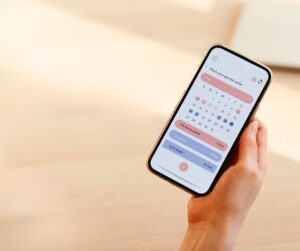
So now you know your cycle has four phases and your hormones are basically running the show. But knowing that in theory and actually using it in real life? Two different things. Learning how to track your menstrual cycle can help you understand your body, recognize patterns, and feel more prepared each month. The good news? You don’t need to become a data person to do it.
Why Track Your Menstrual Cycle?
When you track your menstrual cycle, you begin to notice patterns that can help you understand your hormones, symptoms, and overall health. Not just for pregnancy stuff. Tracking helps you know when your period is actually coming (instead of being caught off guard every single time), understand why you feel off on random days, and spot patterns in your mood, energy, and skin. After 2-3 months, you’ll start noticing things about yourself you never clocked before.
How to Track Your Menstrual Cycle
Just start with these: when your period starts and ends, how heavy it is, any symptoms that show up regularly (cramps, headaches, bloating), your mood in a word or two, and your discharge — yes really, it tells you where you are in your cycle.
That’s it. You can add more later once it’s a habit.
Best Apps to Track Your Menstrual Cycle
Clue — no pink, no baby talk, just clean data. Great if you want real information without the fluff.
Flo — most downloaded period app in the world, easy to use, predictions are solid. Has an anonymous mode if you care about privacy (it should).
Natural Cycles — FDA-cleared as actual birth control. Uses your body temp + cycle data. Not for everyone but worth knowing it exists.
Apple Health / Google Fit — nothing fancy, but if you’re already using it, the built-in tracking gets the job done.
What Menstrual Cycle Tracking Can Tell You
One month doesn’t tell you much. Three months is where it gets interesting. You’ll see your cycle is actually 26 days, not 28. You always get a headache two days before your period, and you feel your best in week two. That’s not random — that’s your pattern. And once you see it, you can’t unsee it.
One last thing before you download anything
This is a starting point — a way to compare the most popular apps and find what works best for you. It’s not medical advice, and no app replaces a real conversation with your healthcare provider. If something feels off with your cycle, please reach out to a professional you trust.
Knowing how to track your menstrual cycle is one of the easiest ways to learn more about your reproductive health.
Also — your data is yours. Always check an app’s privacy policy before you commit.
And if your period is late and you’re not sure what’s going on, you don’t have to figure it out alone. We offer free consultations, pregnancy testing, and ultrasound if your result comes back positive. We’re here for you, no judgment, no pressure.
More Resources
–American College of Obstetricians and Gynecologists (ACOG)
– MenstruationOffice on Women’s Health

Recent Stories
What Causes an Irregular Period? Common Reasons Explained
Read Article
Pregnancy Help in Colorado: Free, Confidential Support Near You
Read Article
PMS vs Pregnancy Symptoms: How to Tell the Difference
Read Article
Early Pregnancy Symptoms: What’s Normal in the First Few Weeks
Read Article