Make An Appointment
 970-262-9274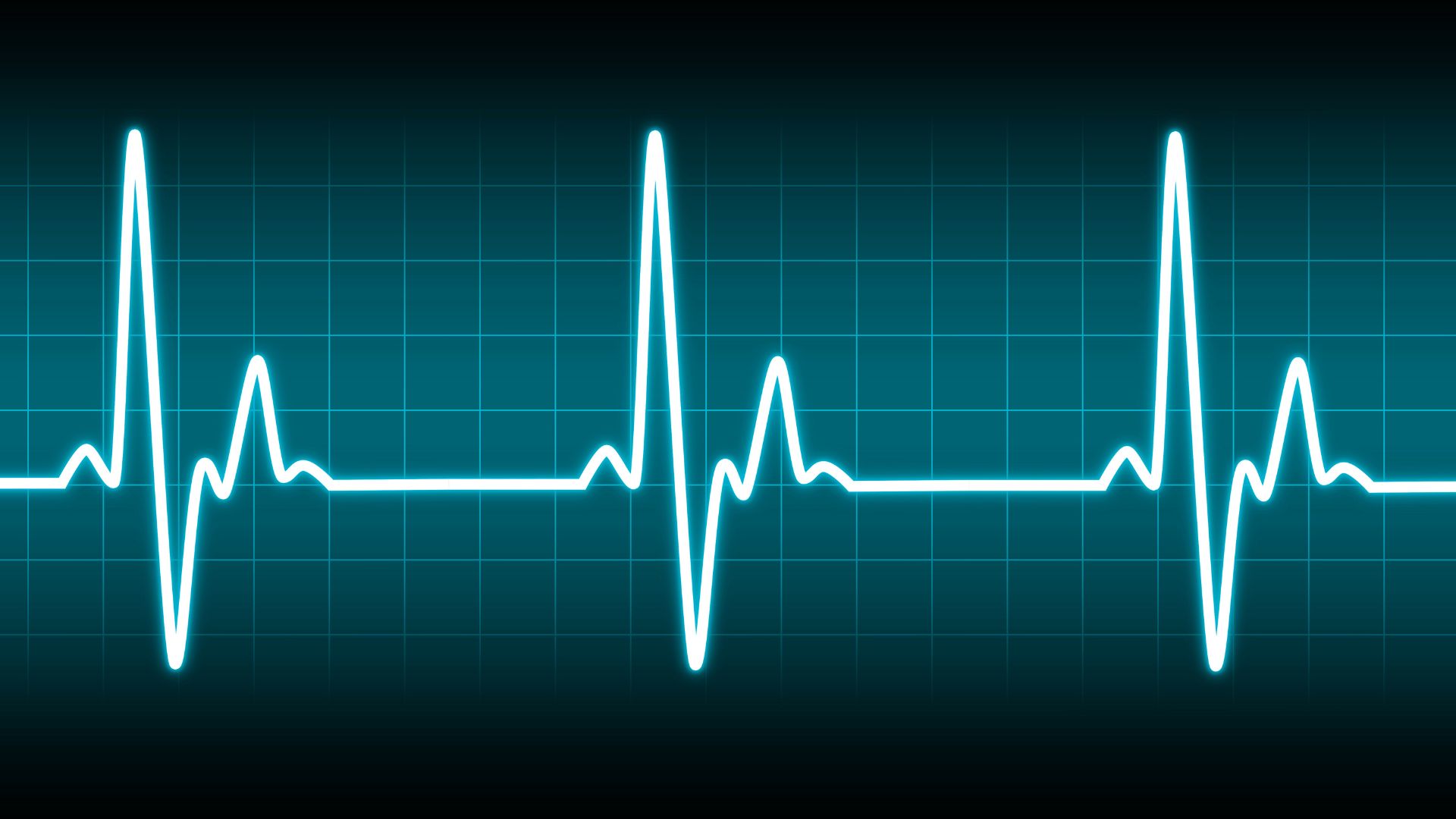
The Fetal Heartbeat: What Science Really Shows
You may have heard that a fetal heartbeat can be detected as early as 21 days after conception. You may also have heard the claim that this early heartbeat is “just an electrical signal” and not a real heart. So what does the science actually say about the fetal heartbeat?
If you are considering abortion, this topic may be especially important as you think about your pregnancy options. Understanding what the science actually says about the fetal heartbeat can help bring clarity during a time that often feels confusing and overwhelming.
Understanding what a heartbeat is and how the fetal heart develops helps clarify this important question.
What is a Heartbeat?
A heartbeat has two essential components that work together: electrical signals and muscle contractions.
According to the National Heart, Lung, and Blood Institute, electrical impulses trigger the heart muscle to contract in a rhythmic pattern. These contractions open and close the chambers of the heart so blood can be pumped throughout the body. The electrical activity sets the pace and rhythm, while the muscle movement does the physical work of circulating blood.
This is why heart activity can be measured in two ways. An electrocardiogram, or EKG, records the electrical signals. A stethoscope or ultrasound detects the motion and sound of the heart muscle as it contracts. Both are real and both are required for a heartbeat to occur.
Early Fetal Development
To understand the fetal heartbeat, it helps to know how the heart develops in early pregnancy.
After conception, when the sperm and egg join, the fertilized egg is called a zygote. This single cell contains unique DNA that determines everything from eye color to blood type. Within about a week, it becomes a blastocyst, which implants in the uterus. The inner group of cells will become the embryo, while the outer layer forms the placenta.
After implantation, the pregnancy enters the embryonic stage. During this time, the embryo begins forming all major organs and body systems. At about nine weeks of pregnancy, or seven weeks after conception, the embryo becomes a fetus. From that point on, the organs continue to grow and mature.
When Does the Fetal Heartbeat Begin?
The heart is the first organ to begin forming. It starts as a single, but complex tube around 18 days after conception. This tube quickly folds and develops into a more complex structure that will eventually become the four chambered heart.
By about 21 to 22 days after conception, which is around the fifth week of pregnancy, the heart begins to beat. At this stage, electrical signals trigger the heart muscle to contract, and blood starts to circulate through the embryo. The fetal heartbeat at this point is typically around 101 beats per minute, even though the heart is still developing. Despite its early form, it is already performing its primary function of pumping blood and delivering oxygen and nutrients.
This early cardiac activity is what doctors and ultrasound technicians refer to as a fetal heartbeat.
How Is the Fetal Heartbeat Detected?
The fetal heartbeat is most commonly detected by ultrasound. Ultrasound uses sound waves to create images of what is happening inside the uterus. Because the heart is one of the first organs to develop and begins beating early, its motion is often visible very early in pregnancy.
Seeing and measuring the fetal heartbeat is one of the main ways medical professionals determine whether a pregnancy is progressing normally. A detectable heartbeat is a strong sign that the pregnancy is viable.
What Does the Science Say?
The science is clear. The fetal heartbeat is not just an electrical flicker. It is the result of coordinated electrical signals causing the developing heart muscle to contract and pump blood. This process begins around three weeks after conception and continues to strengthen as the heart grows.
Even though the heart looks different in early development than it does later in pregnancy, it is already functioning as a heart. It is circulating blood, supporting growth, and sustaining life from the earliest weeks.
Want to Learn More About Your Pregnancy?
If you would like to learn the gestational age of your pregnancy or see if a fetal heartbeat is present, our caring staff is here to help. An ultrasound can provide valuable information about fetal development and give you greater clarity as you consider your next steps. We would be honored to walk with you and answer any questions you may have.
You can read more at the following websites:
- How the Heart Works, National Heart, Lung, and Blood Institute: https://www.nhlbi.nih.gov/health/heart/heart-beats
- Embryology, University of Texas Medical Branch: https://www.utmb.edu/pedi_ed/CoreV2/Cardiology/Cardiology7.html
- Development of the Heart, Oregon State University: https://open.oregonstate.education/anatomy2e/chapter/development-of-heart/#
- First Trimester Fetal Cardiac Activity, National Library of Medicine: https://pubmed.ncbi.nlm.nih.gov/3066922/#
- Ultrasound, National Institute of Biomedical Imaging and Bioengineering: https://www.nibib.nih.gov/science-education/science-topics/ultrasound#pid-921

Recent Stories

PMS vs Pregnancy Symptoms: How to Tell the Difference
Read Article
Early Pregnancy Symptoms: What’s Normal in the First Few Weeks
Read Article
How to Track Your Menstrual Cycle With Apps
Read Article
Is It Safe to Order the Abortion Pill By Mail?
Read Article